ABA Therapy for Children: A Practical Family Guide

A practical guide for parents: how child-centered ABA should start, which goals matter at different ages, how to choose setting and hours, and how to evaluate a provider.
A practical guide for parents: how child-centered ABA should start, which goals matter at different ages, how to choose setting and hours, and how to evaluate a provider.

How discrete trial training works, what it can and cannot teach, why high percentages can mislead, and which safeguards make DTT respectful and useful.
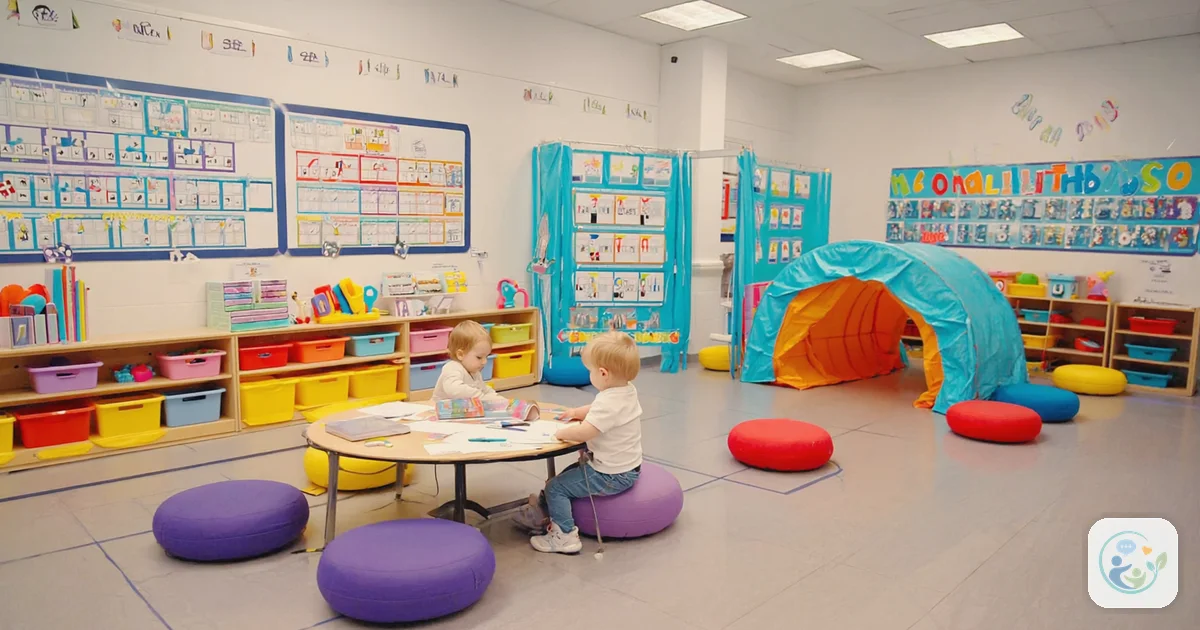
How ABA prior authorization works from request to renewal: what the packet should include, how to read an approval line by line, and how to respond to a denial.

A practical map of ABA careers: what technicians, BCaBAs and BCBAs actually do, non-clinical roles, how to plan education and supervision, and how to vet an employer.
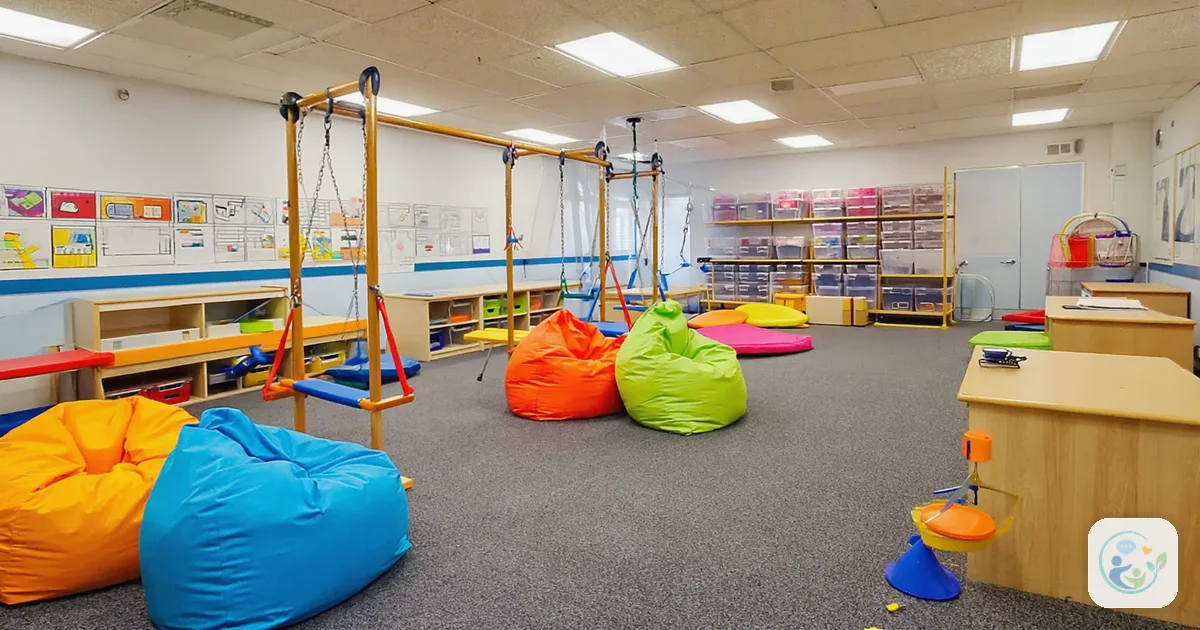
How early-intervention ABA should fit a young child and family: play-based goals, sensible intensity, IDEA Part C coordination, provider questions and red flags.
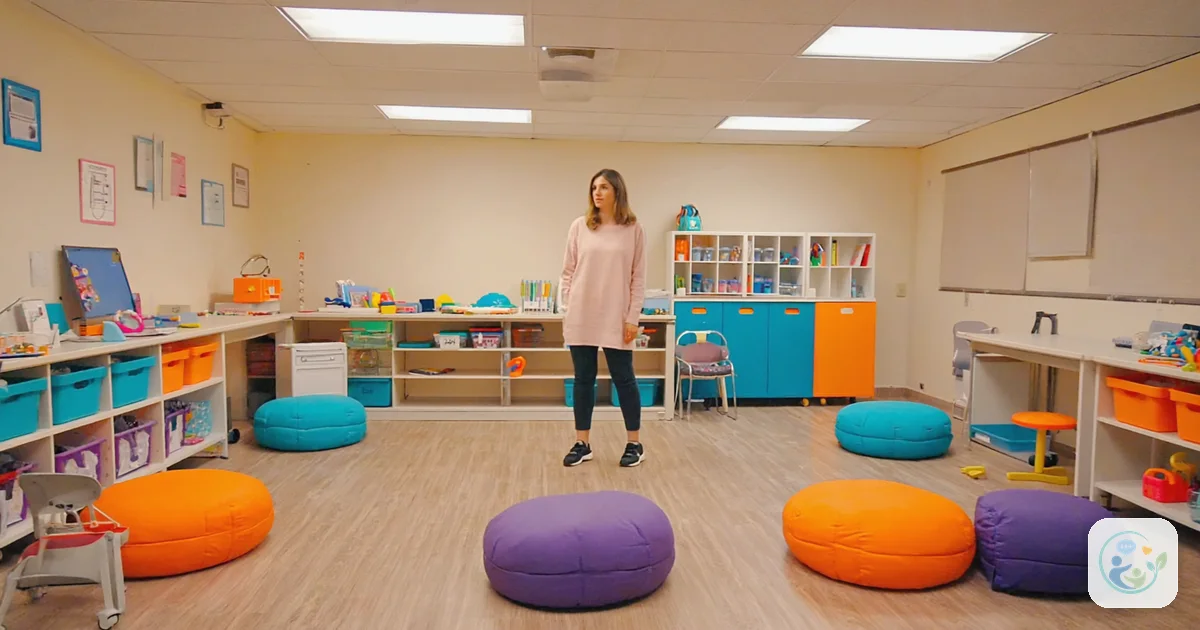
What positive reinforcement really means in ABA, with practical examples, the difference from bribery, and the ethical limits around tokens, food, praise and fading.
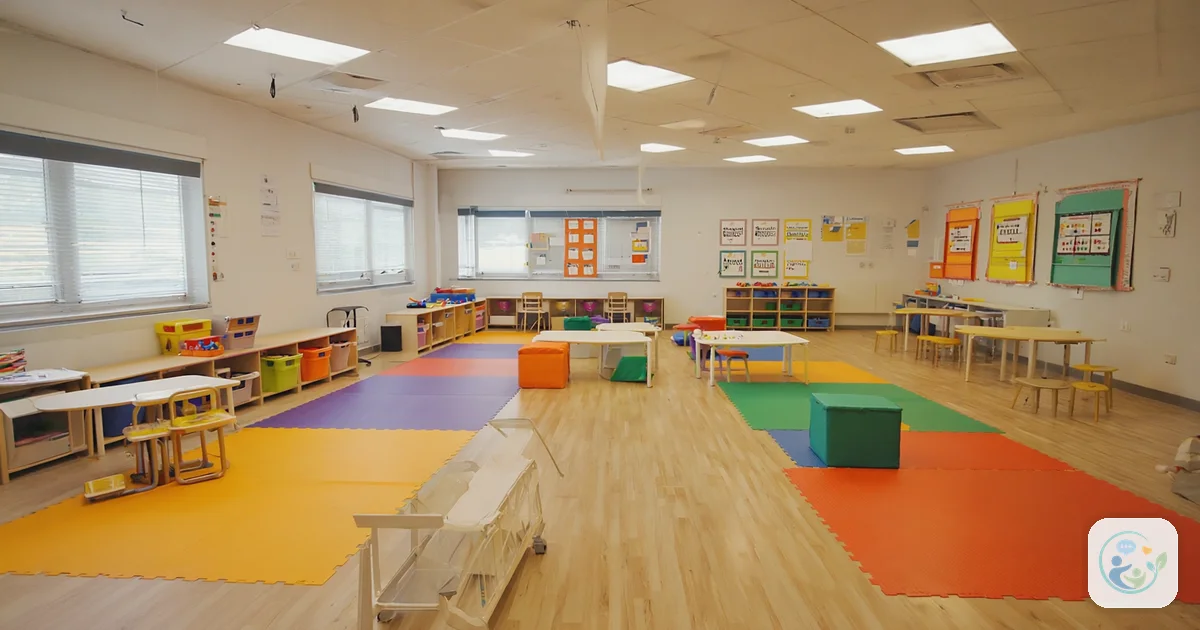
How to plan for ABA when insurance will not pay: itemized estimates, good faith estimate rights, discounts and financing, and public funding routes worth screening.

How online ABA works in practice: which activities suit video, who benefits, what privacy and emergency planning should look like, and how to verify a telehealth provider.

A clear look at the Registered Behavior Technician role: what RBTs do in sessions, how supervision works, where the boundaries are, and what to ask as a family or candidate.

Plain-language explanations of the main ABA techniques, from reinforcement and prompting to DTT, naturalistic teaching and FCT, plus how to judge whether a method fits.