Discrete Trial Training: How DTT Works, Benefits, and Limits
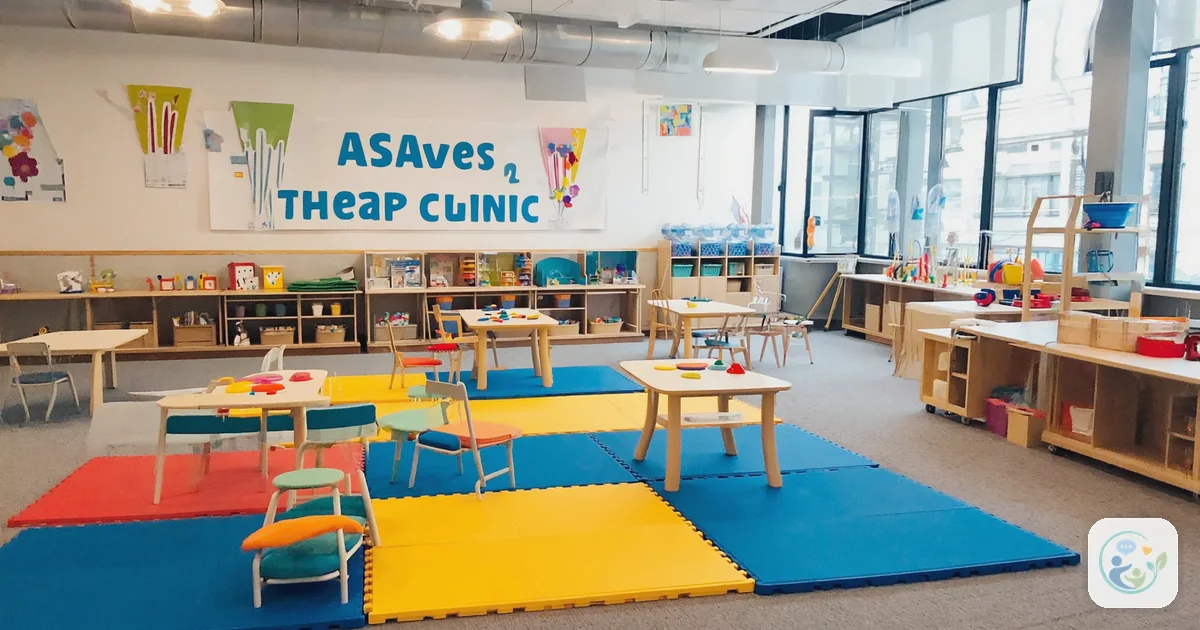
How discrete trial training works, what it can and cannot teach, why high percentages can mislead, and which safeguards make DTT respectful and useful.
Plain-language guides for families researching ABA therapy: how it works, care settings, choosing a provider, goals, progress and safety.
How discrete trial training works, what it can and cannot teach, why high percentages can mislead, and which safeguards make DTT respectful and useful.
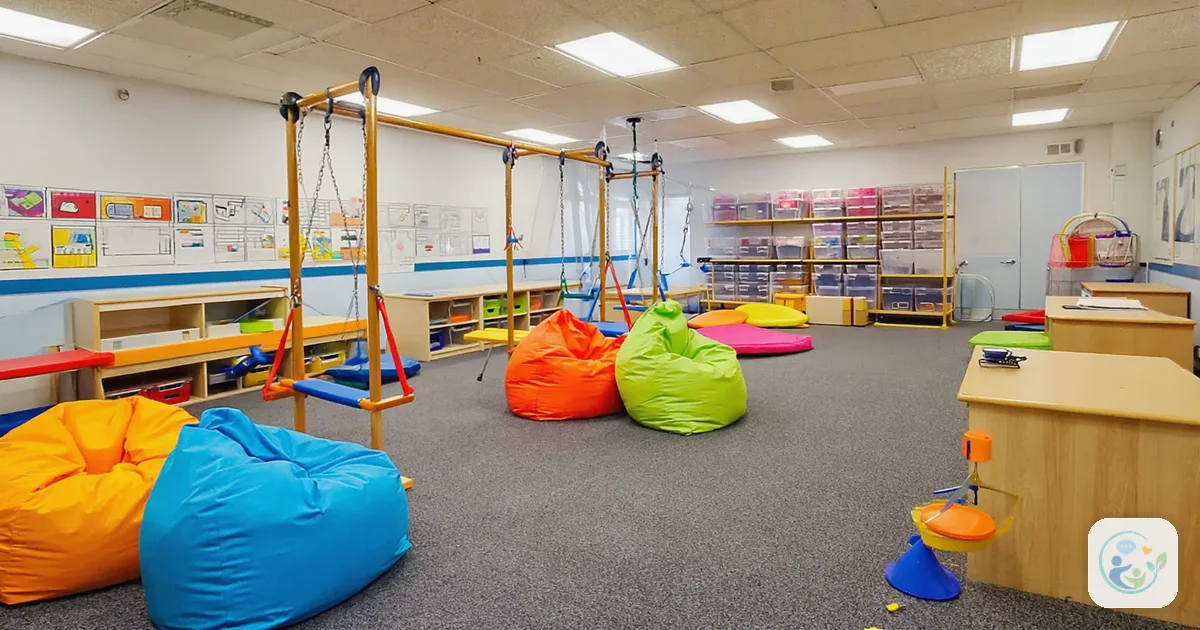
How early-intervention ABA should fit a young child and family: play-based goals, sensible intensity, IDEA Part C coordination, provider questions and red flags.
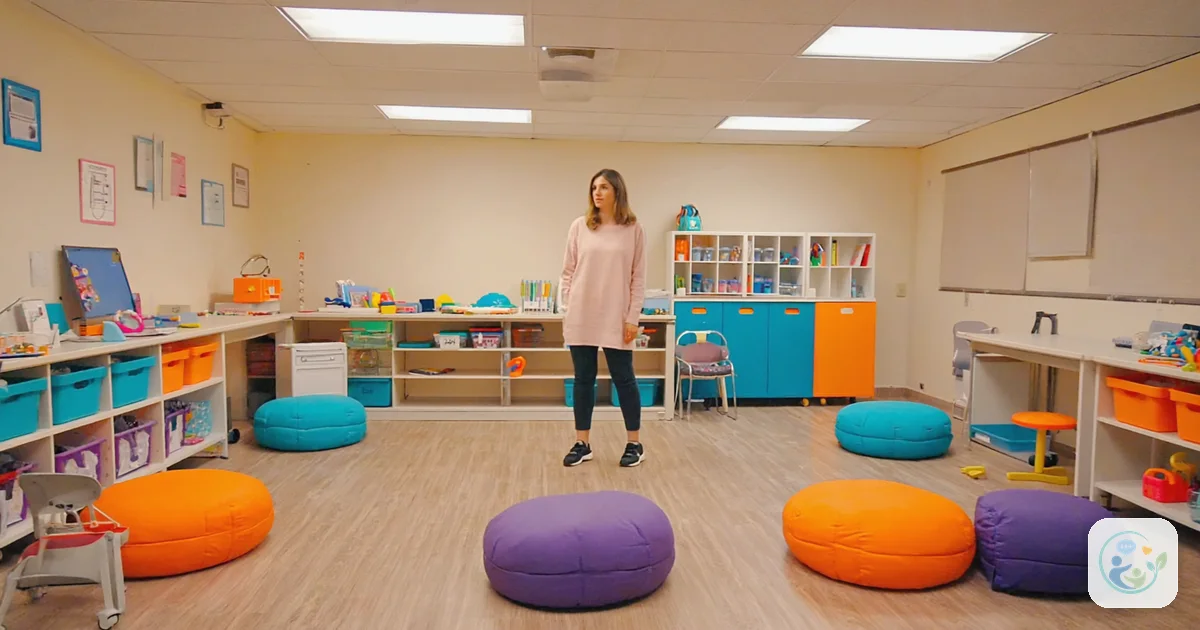
What positive reinforcement really means in ABA, with practical examples, the difference from bribery, and the ethical limits around tokens, food, praise and fading.

How online ABA works in practice: which activities suit video, who benefits, what privacy and emergency planning should look like, and how to verify a telehealth provider.
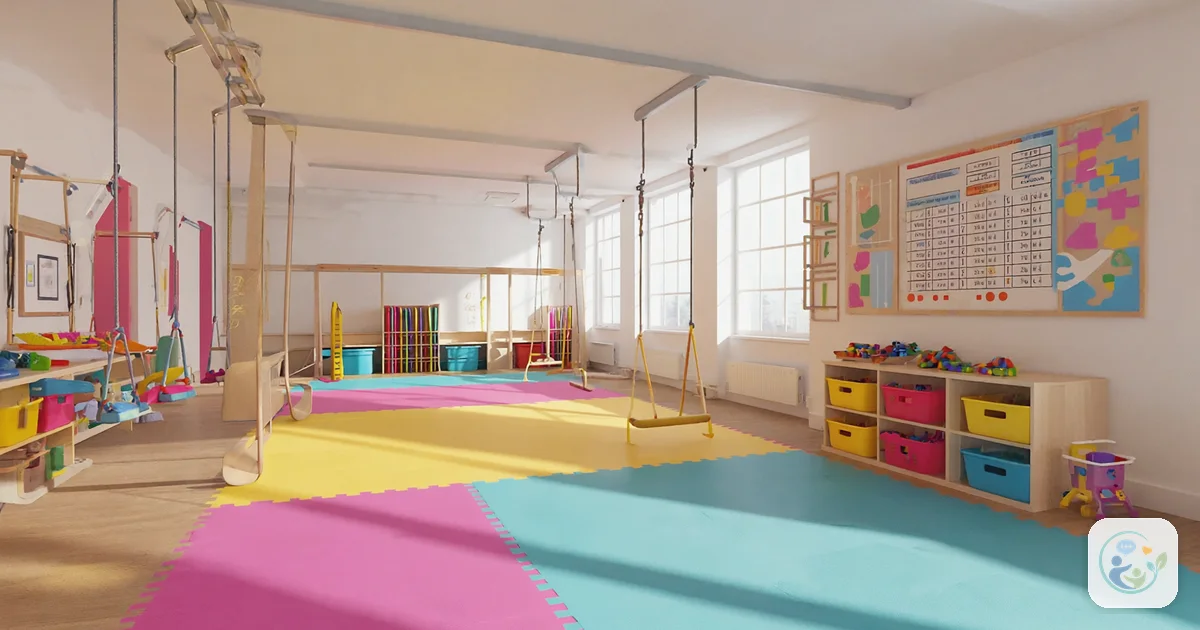
Plain-language explanations of the main ABA techniques, from reinforcement and prompting to DTT, naturalistic teaching and FCT, plus how to judge whether a method fits.
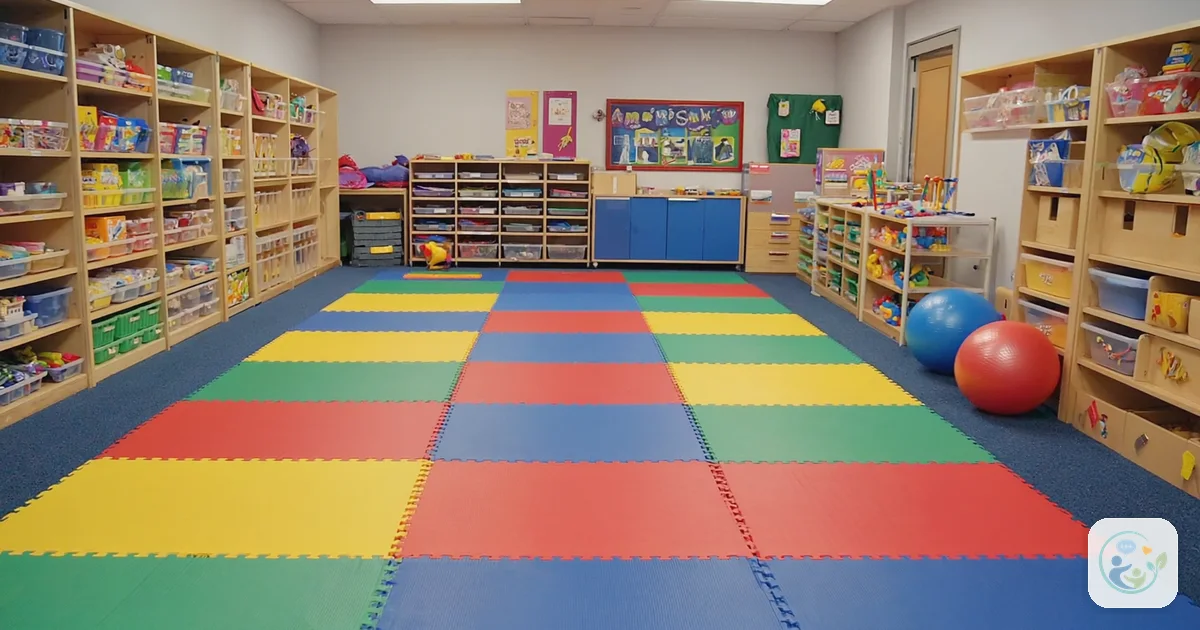
What school-based ABA can mean, how IEPs, FBAs and behavior plans fit together, and how to coordinate school and clinical services without conflict.

A balanced look at ABA criticism and evidence: where harm can occur, what assent and dignity look like in practice, and how to judge a specific program safely.

Fifty questions that get verifiable answers from ABA providers about clinical responsibility, goals, methods, supervision, safety, costs, and how care ends.

Center-based ABA delivers assessment and teaching in a clinic built for behavioral services. Here is what a center can offer, the tradeoffs, and how to evaluate one.
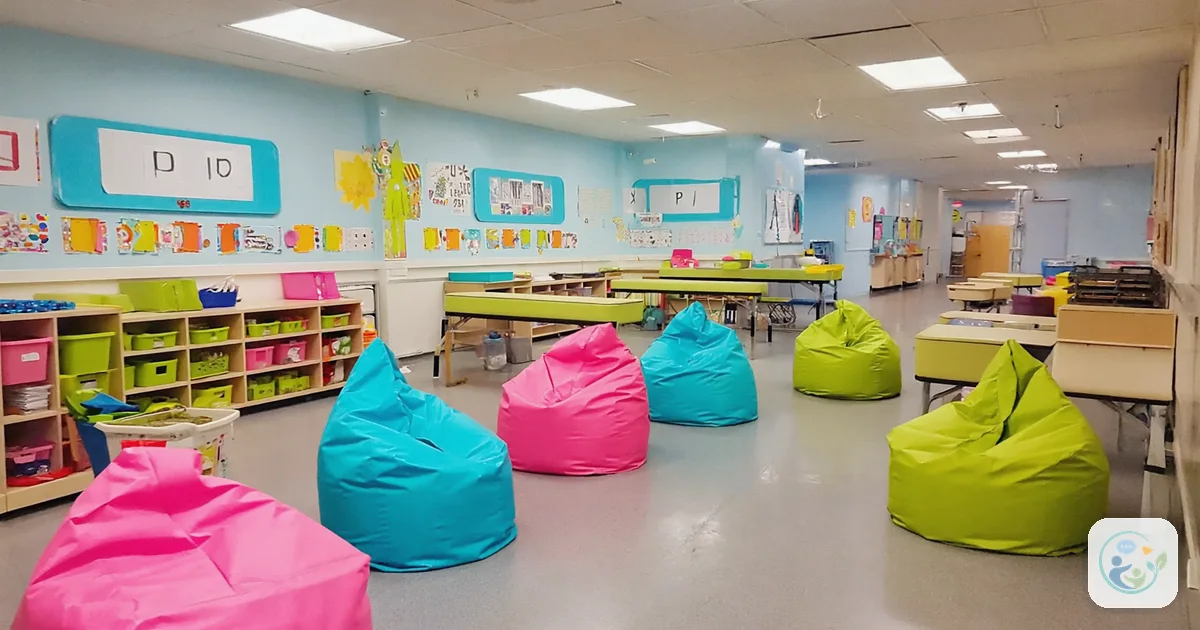
In-home ABA brings individualized assessment and teaching into your home, where goals can be practiced in everyday routines. Here is how it works and how to judge fit.