Quick answer: Early-intervention ABA applies behavioral assessment and teaching during early childhood. A suitable plan supports meaningful communication, play and daily routines while respecting development, relationships and the child’s participation. Compare benefits, burden and alternatives, and explore the state’s IDEA Part C early-intervention system where eligible.
How should early-intervention ABA fit the child and family?
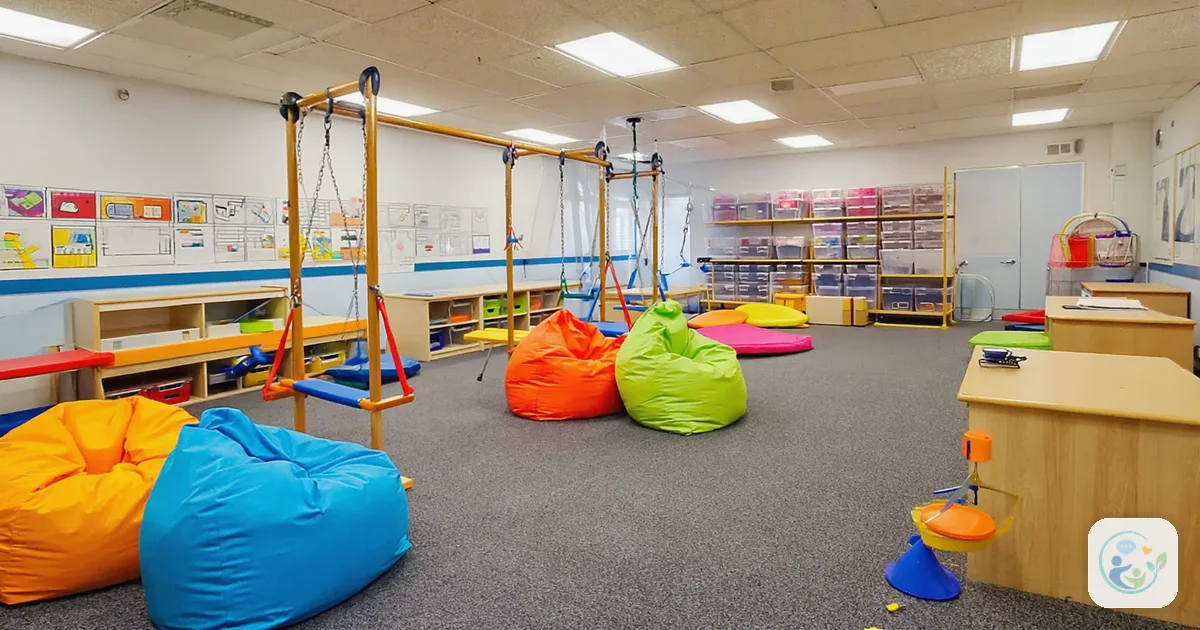
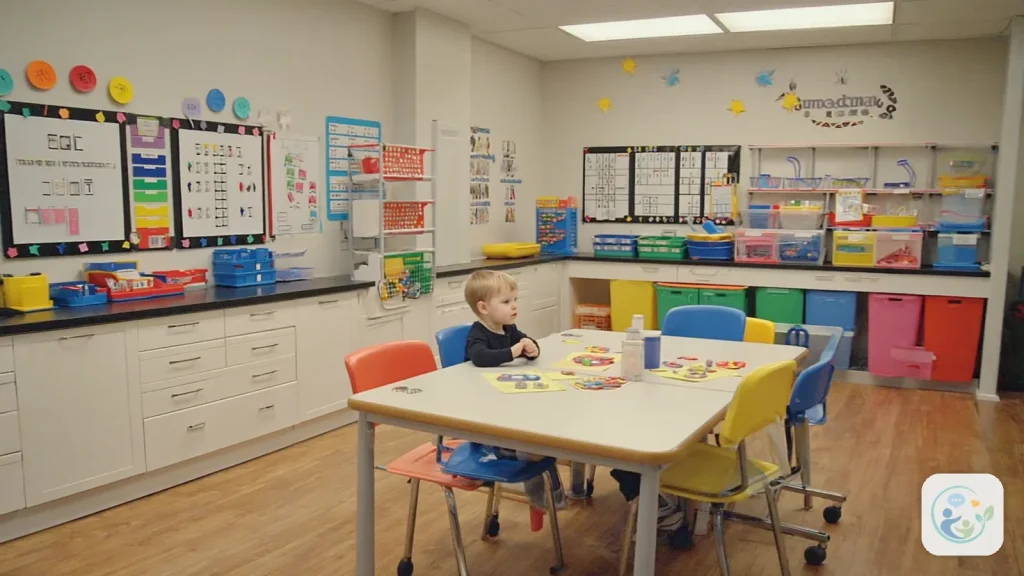
The service may occur at home, in child care, in a clinic, through telehealth, or in community routines. It may include direct interaction with the child, caregiver coaching, observation, environmental changes, communication support, play-based teaching, and coordination with other professionals.
Goals should support the child’s life now
Appropriate goals emerge from assessment and collaboration. They may address:
- functional communication in forms the child can access;
- shared or independent play based on interests and preferences;
- participation in meals, dressing, sleep-related routines, hygiene, or child care;
- transitions and predictability;
- access to people, activities, and environments;
- safety skills and replacement communication;
- caregiver strategies that make routines easier and more responsive;
- generalization and maintenance across familiar people and settings.
Play and natural routines can be structured without becoming rigid
Young children learn through interactions, movement, play, repetition, and daily routines. Behavioral teaching can be embedded in activities the child enjoys while still using defined goals, planned prompts, meaningful consequences, and measurement.
Family-centered care is more than parent compliance
Families bring knowledge of the child, routines, language, culture, resources, priorities, and stressors. Collaboration may include choosing outcomes, adapting the environment, practicing agreed strategies, reviewing data, and deciding what is sustainable. For many families of toddlers, in-home ABA therapy makes this collaboration easier because teaching happens inside real routines.
How much early-intervention ABA is appropriate?
There is no defensible universal number of weekly hours for every young child. Intensity should follow individualized goals, baseline data, health and sleep, communication, learning opportunities, family capacity, other services, setting, response, preferences, and potential adverse effects.
| Intensity question | Evidence to request | Warning sign |
|---|---|---|
| Why this amount? | Goal-by-goal rationale | Age-based package before assessment |
| What counts as service? | Direct care, caregiver guidance, assessment, supervision, group, and indirect work separated | One unexplained total |
| What will be measured? | Function, generalization, maintenance, well-being, distress, and family feasibility | Session data only |
| When will it change? | Review dates and increase, decrease, pause, referral, or discharge criteria | No step-down rule |
| What competes for time? | Sleep, play, relationships, child care, education, medical care, and other supports | Burden treated as irrelevant |

How do IDEA Part C, provider choice, and coordination fit together?
Part C of the Individuals with Disabilities Education Act supports state early-intervention systems for eligible infants and toddlers with disabilities and their families. Eligibility, lead agencies, procedures, services, and cost participation vary by state. Private ABA usually runs through health coverage instead, so check whether your insurance covers ABA therapy or Medicaid rules in your state.
Part C and private clinical ABA are not interchangeable
An IFSP may include multiple early-intervention services and supports. A privately delivered, payer-funded ABA treatment plan operates through a different clinical and payment pathway. A child may be involved with one or both systems, but neither plan should be assumed to control or replace the other.
Coordinate without turning childhood into a schedule of appointments
Young children may also receive speech-language, occupational, physical, feeding, medical, developmental, mental-health, child-care, or education services. Coordination can reduce contradictory recommendations and duplicate assessment, but it requires permission, defined roles, and respect for each professional’s competence.
How to evaluate an early-intervention ABA provider
Developmental and clinical competence
- Who completes the assessment, and what early-childhood training do they have?
- How are communication, play, sensory, motor, medical, sleep, feeding, and relationship factors considered?
- How are goals selected with the family and, as possible, the child?
- How does the provider obtain consent and attend to assent or withdrawal?
- What methods are used, and why do they fit the goal and developmental level?
Staffing and supervision
- Who works directly with the child and who is accountable for treatment?
- How frequently does the supervisor directly observe services?
- How are staff trained and evaluated on the individual plan?
- What happens during turnover, absence, or a change in clinical lead?
- Are all applicable credentials, licenses, background checks, and payer enrollments current?
Outcomes and transition
- Which functional outcomes and possible adverse effects are tracked?
- How are skills tested across people, routines, settings, and time?
- When will intensity, setting, or methods be reconsidered?
- How does the provider plan for preschool, school, other services, step-down, or discharge?
Use how to choose an ABA provider for the complete organization-level checklist.
Red flags for families of young children
- guaranteed language, school placement, independence, or “recovery” outcomes;
- a fixed intensive schedule prescribed before assessment;
- goals centered on appearing typical rather than functional benefit;
- discouraging communication devices, other professionals, or second opinions;
- treating distress or withdrawal only as noncompliance;
- requiring family participation that is unexplained or unsustainable;
- no direct supervision, generalization measurement, or transition criteria;
- marketing “early” as a reason to start immediately without informed review.
Starting steps for families
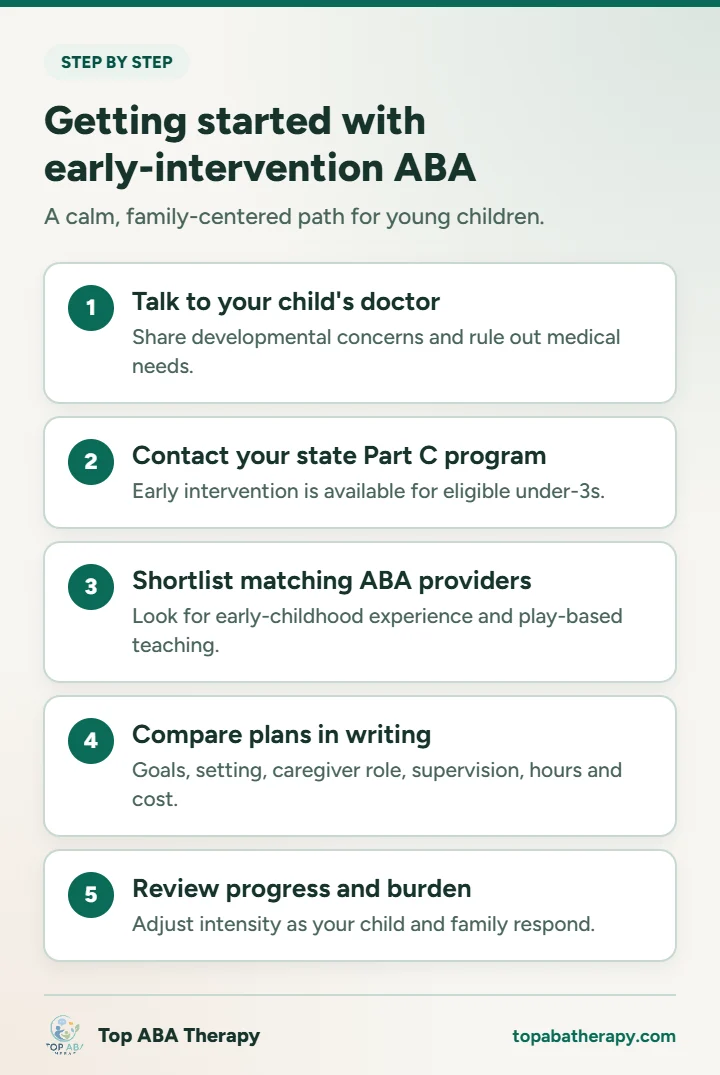
- Discuss developmental concerns with the child’s healthcare professional and seek urgent help for immediate medical or safety needs.
- Contact the state’s Part C system when the child is in its age range.
- Identify ABA and other providers whose competence matches the child.
- Compare assessment, goals, setting, caregiver role, supervision, intensity, coverage, and transition in writing.
- Protect sleep, relationships, play, community, and childhood.
- Revisit the decision using outcomes, preferences, burdens, and new information.
Directory listings can help you find nearby options, but you still need to verify credentials, openings, state programs, coverage and fit directly with each provider.
Part C is not a private ABA benefit: the state’s IDEA Part C system and a payer-funded clinical plan have different eligibility, authority, teams, records, funding, and review processes. Explore both without assuming one automatically replaces the other.
Frequently asked questions about early-intervention ABA
What age counts as early intervention ABA?
Providers use the phrase broadly, while IDEA Part C applies to eligible infants and toddlers under the state system. Ask each clinical provider for its actual age range and ask the state lead agency about Part C referral and eligibility.
How many hours of early-intervention ABA should a child receive?
There is no defensible universal schedule for every child. Intensity should follow goals, baseline data, health, sleep, communication, family capacity, other services, response, preferences, burden, and explicit review criteria.
Is play-based ABA always child-led?
No label proves how a session operates. Ask how the provider uses the child’s interests, presents genuine choices, responds to refusal or distress, limits prompts, protects breaks, and measures useful learning outside the teaching interaction.
Can a child receive IDEA Part C and private ABA?
Possibly, depending on eligibility, clinical need, coverage, state processes, and family choice. The plans need defined roles and permission-based coordination so the child does not receive contradictory or duplicative services.
The bottom line
Good early-intervention ABA fits the child and family, not the other way round: playful, routine-based goals, intensity based on evidence rather than an age package, real caregiver collaboration and coordination with Part C and other therapies. Protect sleep, play and family life, and revisit the plan often. When you are ready to compare options, find ABA therapy providers near you with early-childhood experience.